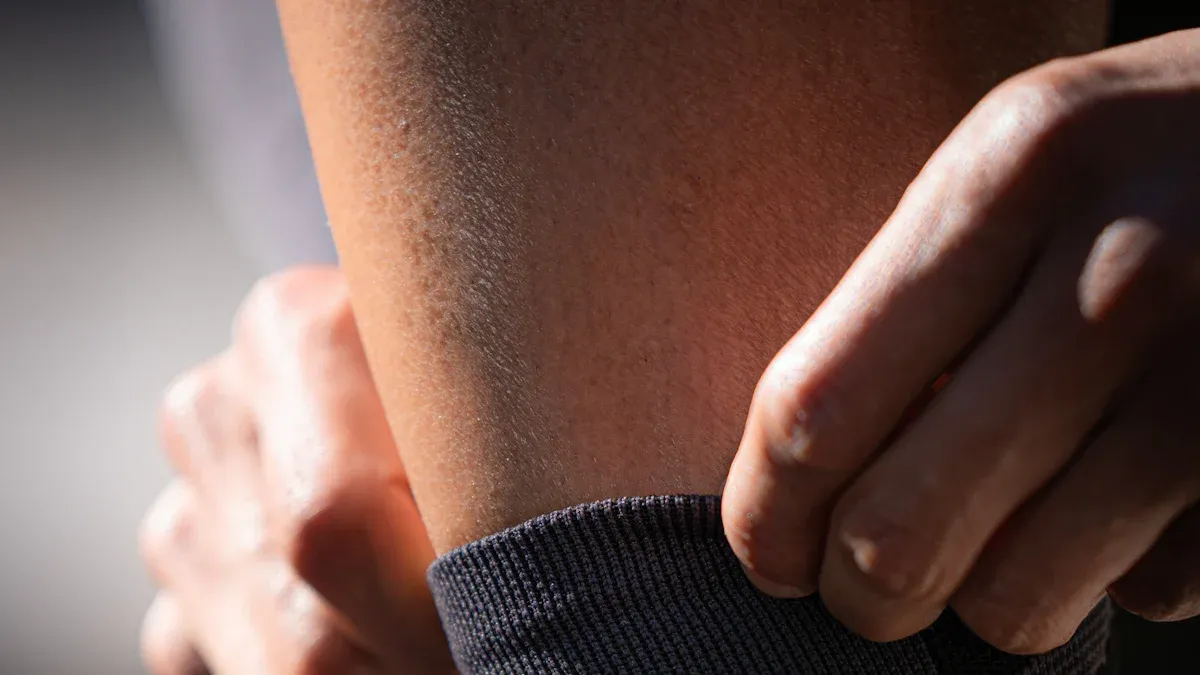
You should consider running compression socks for your next run. These socks boost blood flow, reduce soreness, and help you recover faster. Many runners feel less muscle pain and bounce back quickly after workouts. Some believe compression socks are only for patients or too tight, but modern Runing Socks offer comfort and support. Choose Running Compression Socks with 15–20 mmHg or 20–30 mmHg for best results.
Not all compression socks are the same; quality and purpose vary.
High-quality socks help prevent swelling and long-term leg issues.
Key Takeaways
Running compression socks help blood move better. Your muscles get more oxygen and nutrients. This can help you do better and recover faster.
Pick the right compression level (15-30 mmHg) and fit for comfort. Socks that fit well stop swelling and give more support when you run.
Wearing compression socks after workouts can lower soreness and help you heal faster. Many runners say they can run longer and feel less tired.
What Are Running Compression Socks?
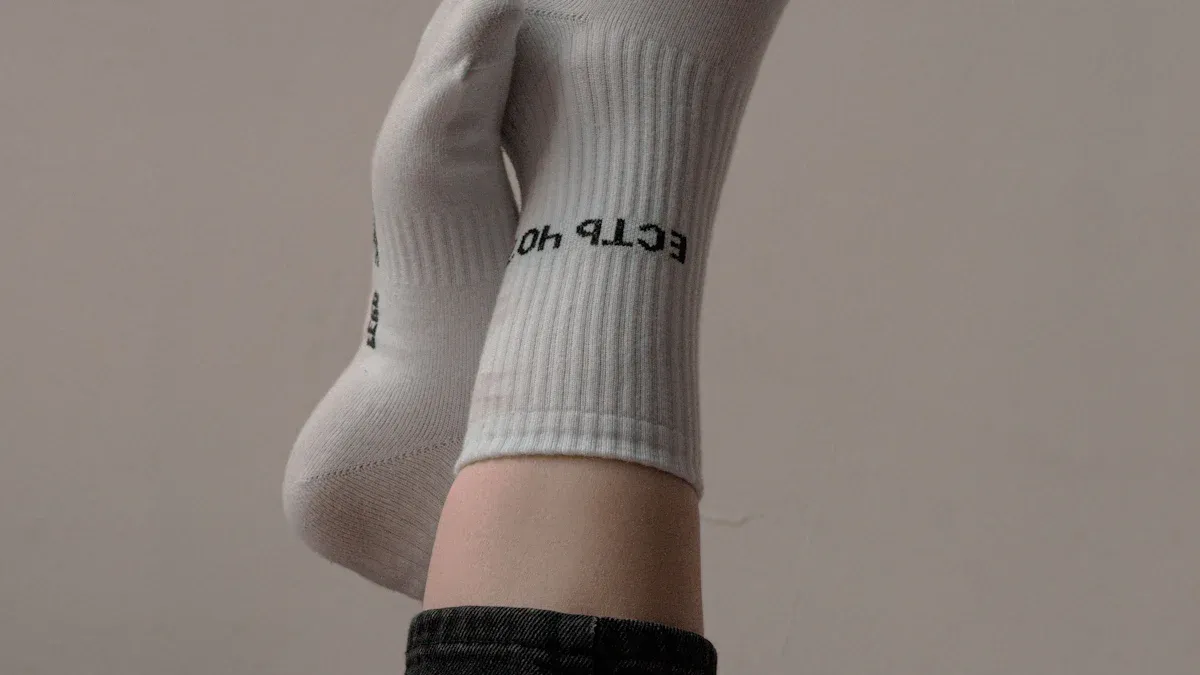
If you want to run longer and recover faster, running compression socks can help. These socks use gentle pressure that gets tighter near your ankle. This helps push blood back to your heart. Your muscles get more oxygen and nutrients while you run.
Tip: Good blood flow keeps your legs feeling fresh and stops them from getting tired.
Many runners, especially those who run far, feel less tired and sore when they wear compression socks. You can wear them while running or after. Both ways help your body get rid of waste like lactic acid. This helps you heal faster and lowers swelling.
Key Benefits of Compression Socks
Better blood flow gives your muscles more energy.
Less muscle tiredness helps you run farther.
Faster healing means you are less sore after runs.
Lower lactic acid stops cramps and stiffness.
Extra support protects your muscles and joints.
Less swelling and fewer blisters, especially on long runs.
New studies show that compression socks can lower lactic acid during exercise. You feel less tired and recover faster. These socks also help stop shin splints and blisters, which many runners get.
Expert Opinions on Compression Socks
Findings |
Description |
|---|---|
Muscle Strength Recovery |
Compression socks help your legs stay strong after hard runs. |
These socks help your muscles pump blood better. |
|
Reduced Muscle Soreness |
You heal faster and feel less pain after running. |
Compression socks for running also feel comfortable. Many runners say they feel better and steadier during and after runs. You might notice small gains in your running, like better endurance and a higher aerobic threshold.
Note: Some people think compression socks make you run faster by cutting wind drag. Studies show this is not true. The main help comes from muscle support and better blood flow.
When you look at other recovery tools, compression socks are cheap and simple to use. Foam rollers and massage guns work too, but compression socks help blood flow and lower swelling without much work.
Wearing running compression socks for a long time helps your blood return to your heart and gives your muscles more oxygen. Your legs get stronger and heal faster over time. These benefits make compression socks a smart pick for runners who want to stay healthy and do better.
How To Use Running Compression Socks & Considerations
Choosing The Right Compression Socks
You want the best results from running compression socks. Start by measuring your calves for a perfect fit. Shoe size alone does not guarantee comfort. Choose socks made from breathable materials like polyester. Cotton traps sweat and causes discomfort. Look for a compression level between 15 and 30 mmHg. Most runners find 20 mmHg ideal for good circulation. Pick a style that matches your needs. You can select calf sleeves, no-show socks, or knee-high compression socks. Graduated compression socks work best because they apply more pressure at your feet and less at the top.
When And How To Wear Compression Socks
Wearing compression socks during long runs or hard workouts helps your muscles stay strong. Many long distance runners wear them for 24 hours after exercise to decrease soreness and pain. Research shows that wearing compression socks for 48 hours after a marathon improves recovery and performance.
Study Focus |
Findings |
|---|---|
Post-Exercise Recovery |
Wearing compression socks for 48 hours after a marathon improved performance by 2.6% in the compression group compared to a decline in the control group. |
Possible Drawbacks And Fit Issues
Compression socks for running must fit well. If they are too tight, they can cut off blood flow and cause discomfort. Some runners report skin irritation, itching, or redness. Chafing and bruising may happen if the socks fit poorly or your skin is dry.
Real Runner Experiences
Runners love the comfort and support of brands like Outway, CEP, and 2XU. Many say these socks help them run longer and recover faster. You can enjoy the benefits of compression socks and keep your legs healthy.
When Compression Socks Might Not Be Suitable
You want to be safe when you run. Compression socks help many runners, but they are not for everyone. Some health problems make these socks risky for some people. If you have any of these conditions, talk to your doctor before using compression socks:
Peripheral artery disease or other blood flow problems in your legs
Severe diabetes or nerve damage in your feet or legs
Skin infections, dermatitis, or other skin diseases
Heart problems, like severe heart failure or pulmonary edema
Leg swelling that does not go away
If you had a peripheral arterial bypass or have nerve issues, do not use compression socks unless your doctor says it is okay.
Tip: Ask a healthcare professional if you are unsure about your health and compression socks.
Watch for warning signs when you wear compression socks. If you see any of these problems, stop using them and talk to your doctor:
Warning Sign |
Description |
|---|---|
Improper Fit |
Socks are too tight or hurt your legs. |
Discoloration or Numbness |
Skin turns blue or you cannot feel your legs or feet. |
Swelling or Tenderness |
Legs swell more or feel sore. |
Red or Warm Veins |
Veins look red and feel warm, which could mean inflammation or blood clots. |
You should feel safe and comfortable when you run. If you feel pain, numbness, or discomfort, take off your compression socks right away. Ask a healthcare professional for advice. Your health is the most important thing.
How to Choose the Right Running Compression Socks
Compression Level
You want to boost your athletic performance and recovery. Start with the right compression level. Most long distance runners choose 20-30 mmHg for strong support and increased blood flow. This level helps you fight leg fatigue and swelling after tough workouts. If you want comfort for daily use, pick 15-20 mmHg. Both levels help increase circulation and speed up tissue repair. Runner-specific compression socks with 20-30 mmHg give you the best results for hard training.
Fit and Size
Fit matters most when you pick compression socks. Measure your calf, ankle, and foot for a snug fit. Use the manufacturer’s chart to find your size. Socks that are too loose will not help. Socks that are too tight can hurt and block blood flow. Look for graduated compression that stays in place and does not bunch up. The best compression socks for running should never cause numbness, pain, or swelling.
Tip: Always check for red marks or discomfort after wearing compression socks. If you notice these, try a different size.
Fabric and Comfort
Choose socks made from breathable, moisture-wicking fabrics. Nylon and spandex blends offer gentle compression and prevent slipping. Merino wool and bamboo fiber keep your feet dry and fresh. These materials also fight odors and keep you comfortable during long runs.
Fabric Type |
Benefits |
|---|---|
Merino Wool |
Breathable, moisture-wicking, odor control |
Bamboo Fiber |
Soft, sweat-absorbing, antibacterial |
Nylon/Spandex |
Flexible, durable, gentle compression |
Length Options
Pick the length that fits your needs. Knee-high socks cover your calves and help with swelling. Crew socks give ankle support and reduce blisters. Calf sleeves let your feet move freely. Over-the-knee socks keep you warm in cold weather but may feel tight.
Sock Length |
Advantages |
Disadvantages |
|---|---|---|
Crew |
Ankle stability |
Less compression |
Calf Sleeves |
Foot freedom |
Less coverage |
Knee-High |
Full calf support |
May slide down |
Over-the-Knee |
Extra warmth |
Harder to put on |
You can find the perfect running compression socks by focusing on these features. Make your choice and feel the difference in your runs.
Real Runner Experiences

You might wonder if running compression socks work. Many runners talk about how these socks help them. One runner said compression socks made their arches, calves, and knees feel better. The socks fit tightly and supported their arches. They felt good enough to wear after running. The runner said it felt like a soft massage.
Another runner said compression socks stopped pain on long runs. You can focus on running, not soreness. This matters if you run far or train for marathons. A study found runners using CEP compression socks ran 5% better. This means you could finish a marathon faster.
Elite runners do not all agree. Some say compression socks help them heal muscle damage. Others do not see big changes in speed or endurance. You might feel more confident and ready to run harder with these socks.
See how age, gender, and race distance change runner experiences:
Gender |
Race Distance |
|
|---|---|---|
Male |
Shorter |
Faster average speed |
Female |
Half-marathon |
Pace increases with age |
Age Group |
Race Distance |
|
|---|---|---|
50-54 |
Ultra-marathon |
Smaller gap to males |
65-69 |
Ultra-marathon |
Male-to-female ratio went down |
75+ |
Ultra-marathon |
Smallest difference between sexes |
You can see real stories from runners of all ages. Try compression socks to run farther, heal faster, and enjoy every mile.
FAQ
How long should you wear running compression socks after a workout?
Wear compression socks for up to 24 hours after hard runs. This helps your legs heal faster. It also makes soreness go away sooner.
Can you wear running compression socks every day?
You can wear compression socks every day. Many runners use them for training and recovery. Some wear them when they travel. Make sure your socks fit well. This helps stop skin problems.
Do running compression socks prevent injuries?
Benefit |
How It Helps |
|---|---|
Muscle support |
Makes muscles less tired |
Better circulation |
Keeps swelling low |
Blister control |
Stops skin from getting blisters |
Compression socks help you avoid many running injuries.