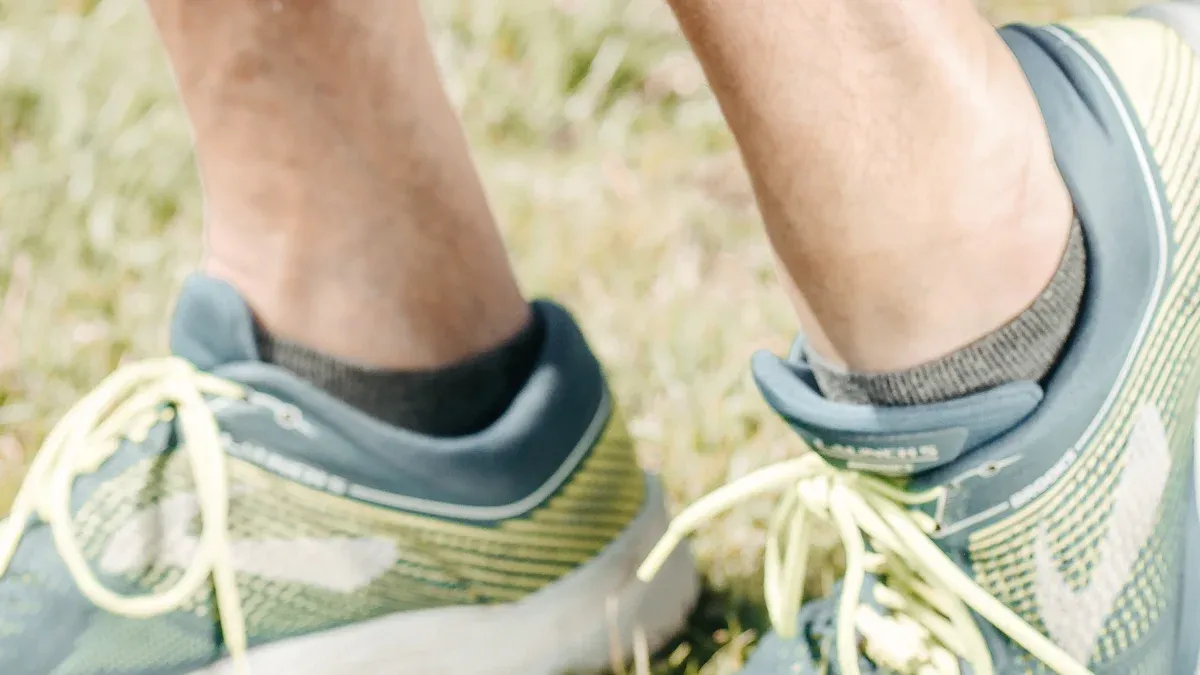
You might wonder if compression socks actually make a difference when you hit the road or trail. These socks have become a hot topic for runners everywhere. Many people talk about how they feel during and after a run. In fact, recent surveys show:
Most of these athletes are runners.
You see these socks at races, on group runs, and even during training. People share stories about less swelling, less soreness, or just feeling better after running. The truth can get lost in all the talk, so let’s look at what really matters.
Key Takeaways
Compression socks improve blood flow, helping reduce swelling and soreness after runs.
Wearing compression socks may not make you run faster, but they can help you recover quicker.
Choose the right compression level: 15-20 mmHg for comfort and 20-30 mmHg for recovery.
Use compression socks as part of your recovery routine, but don’t rely on them to prevent all injuries.
Try different styles and lengths to find the best fit for your running needs.
Do Compression Socks Help with Running?

How Compression Socks Work
You might wonder what makes these socks different from regular ones. Compression socks use gentle pressure to squeeze your lower legs. This pressure helps your blood move back up toward your heart. When you run, your muscles work hard and need more oxygen. These socks help your body send fresh blood to your muscles and remove waste products, like lactic acid, that can make your legs feel tired or sore.
Tip: If you often notice swelling in your feet or ankles after a long run, these socks might help reduce that feeling.
Here’s what happens inside your legs when you wear them:
They boost blood flow by making your veins work better.
They help clear out deoxygenated blood and extra fluid, which can lower swelling.
They help your body get rid of lactic acid, which means less muscle soreness and fatigue.
Clinical studies show that these socks can improve blood circulation during exercise. They increase muscle oxygen and reduce blood pooling in your legs. Some research says that socks covering your whole leg work best for these effects.
Scientific Evidence for Runners
You probably want to know if these socks really work for runners. The answer isn’t simple. Some studies show benefits, while others find little difference. Let’s break it down.
One study found that people who wore these socks ran better and had stronger muscles, especially during repeat runs. This means you might recover faster and feel less muscle damage.
Some research says a few runners see better performance, but most studies don’t show big changes.
Many experts agree that these socks can help reduce muscle soreness and tiredness after you run. This can help you bounce back for your next workout.
In one test, competitive runners who wore these socks kept their muscles working better after a race than those who didn’t.
Another study with trained runners showed less muscle soreness and better muscle function after tough trail runs.
Here’s a quick look at what scientists have found:
Study Description |
Key Findings |
|---|---|
Competitive runners' 10 km time-trial |
Improved muscle function after wearing compression socks compared to regular socks. |
Simulated trail races (15.6 km) |
Less muscle soreness and better muscle function after the race. |
Calf-raise exercise fatigue study |
Less muscle fatigue with compression socks. |
Soccer match fatigue study |
Players kept their performance up better with compression socks. |
Various exercises |
Lower muscle soreness and damage after hard workouts. |
Most sports medicine experts say that these socks don’t make you run faster or longer. They don’t change your heart rate or breathing much, either. Some people feel better when they wear them, but the science isn’t clear on big performance boosts.
If you wear them for a few weeks, you might not see big changes in how your heart and lungs work. But you could notice less soreness after a race or hard workout. Some runners even see a small drop in blood lactate, which helps with recovery.
Note: You may not run faster just by wearing these socks, but you might feel less sore and ready to run again sooner.
Myth: Compression Socks Instantly Improve Performance
Research on Performance Claims
Some people say that wearing compression socks will make you run faster right away. But the truth is not that simple. Scientists have studied how these socks affect running speed, endurance, and muscle power. Most studies show you will not get much better at running just by wearing them.
Here’s what researchers found:
Study Year |
Findings |
Source |
|---|---|---|
2015 |
Runners wearing graduated compression socks showed a 6% improvement in recovery parameters after a marathon. |
Armstrong |
2020 |
A systematic review found that compression socks improved performance in only a small number of studies analyzed. |
Systematic Review |
2017 |
Compression did not alter running economy but may improve lactate clearance during recovery. |
N/A |
2022 |
Graduated compression socks positively affected proprioceptive control of the ankle joint after long distances. |
N/A |
2019 & 2014 |
Compression socks did not improve running pace or muscle damage in marathon runners. |
N/A |
2022 |
Compression socks reduced exercise-associated intestinal damage during a marathon. |
N/A |
Controlled trials give us more information:
In one study, runners wore compression socks on a treadmill. Two weeks after a marathon, their run-to-exhaustion time got better by 2.6%. The group without socks actually got slower.
Out of four studies, only one found that high compression socks had bad effects. The other studies showed mixed results for performance and recovery.
Another small study found that 10k race times did not change, but lower compression socks helped runners keep their leg power after the run.
So, you might feel better or recover faster, but you probably will not beat your best time just because of these socks.
Why This Myth Persists
Many runners think they will see results right away. You see athletes wearing these socks at races and think they must work really well. Some ideas keep this myth going:
People think compression socks are only for medical problems, but athletes use them too.
Some believe these socks look boring, but now you can find fun colors and patterns.
You might worry they are too tight or hard to put on, but new designs are much easier to use.
Some think these socks are expensive, but you can find affordable pairs.
Others believe they help with weight loss or heal injuries, but that is not true.
Remember: These socks can help you feel better after a run, but they will not make you a faster runner right away.
Fact: Benefits of Compression Stockings for Recovery
Faster Recovery After Running
After a hard run, you want to feel better fast. Compression stockings can help with this. Many runners wear these socks to recover quicker. The stockings gently squeeze your legs. This helps your blood move faster. Fast blood flow brings fresh oxygen and clears out waste. You may see less swelling and feel ready for your next run sooner.
Researchers have studied how these stockings help recovery. One big review looked at 899 people. It found that compression garments did not make runners faster. They did not help runners go longer. Race times and endurance did not change much. But the review found less soft tissue vibration with compression stockings. Scientists say more studies are needed. Still, many runners feel better after wearing these socks.
Here’s what happens when you use compression stockings for recovery:
Evidence Description |
Findings |
|---|---|
Compression tights worn for 4 hours post-exercise |
Improved muscle blood flow and reduced thigh swelling |
Compression socks worn for 24-48 hours post-race |
Reduced perceived soreness and potentially sped up functional recovery |
Study in Journal of Strength and Conditioning Research |
Marathon runners wearing compression socks showed a 2.6% improvement in time to exhaustion two weeks later |
Wearing compression stockings for a few hours may help muscles recover faster. Some runners feel less tired and have less swelling. If you want an easy way to recover after running, try compression stockings.
Tip: Put on compression stockings right after your run. Keep them on for a few hours. Your legs may feel fresher and less swollen.
Reducing Muscle Soreness
Sore muscles after running are not fun. Compression stockings can help you feel less pain and stiffness. These socks help your blood flow better. Good blood flow clears out lactic acid and other things that make muscles hurt.
Research shows compression socks can help with soreness. But they may not work for everyone. Some studies found no big difference in muscle damage. Runners who wore compression socks and those who did not had similar results. The benefits might come from how you feel when you wear them. Sometimes, just believing they help makes you feel better.
Here’s how compression stockings compare to other recovery tools:
Recovery Tool |
Effectiveness in Recovery |
|---|---|
Compression Socks |
May not significantly enhance recovery compared to others |
Foam Rollers |
Effective in reducing muscle soreness |
Massage Guns |
Effective in improving recovery |
Cold Therapy |
Effective in reducing muscle soreness |
You have many choices for recovery. Foam rollers, massage guns, and cold therapy also help with soreness. Compression stockings are easy to use. They can be part of your routine. If you like how they feel, you may notice less soreness after running.
A 2019 study found no big differences in muscle damage between runners who used compression socks and those who did not.
Some people feel better because they expect compression stockings to help. This is called the placebo effect.
Note: You may not get the same results as someone else. Try different recovery tools and see what works best for you.
Compression stockings have several benefits for recovery. You might recover faster and feel less sore. Many runners use them because they are simple and comfortable. If you want to try something new, compression stockings could help you get ready for your next run.
Myth: Compression Stockings Prevent All Injuries
Injury Prevention Claims
You might hear runners say that compression stockings can stop every injury. This idea sounds great, but it is not true. Many people believe these socks protect you from all kinds of running problems. Here is what some runners think compression stockings do:
Increase blood flow and help your legs get more oxygen.
Reduce muscle shaking, which can lower fatigue and damage.
Help your body recover faster by moving out waste like lactic acid.
Lessen swelling, which helps during long runs or back-to-back training days.
These benefits sound helpful, but they do not mean you will never get hurt. You still need to warm up, stretch, and listen to your body.
What Studies Show
You want to know if science backs up the idea that compression stockings stop injuries. The answer is not so simple. Researchers have looked at how these socks affect your legs and balance. Here is what they found:
Findings |
Implications |
|---|---|
Compression garments may help your knees and ankles sense movement during long runs. |
This could protect you from some injuries, especially early in a race. |
Compression pants did not help half marathon runners with balance. |
Good balance is important for injury prevention, so this is a limit. |
Runners with poor balance got more help from compression garments. |
If you struggle with balance, these socks might help you avoid some injuries. |
Still, studies have some problems. Many runners in these studies already use compression stockings, so they might think they work better than they do. Most research does not measure the exact pressure from the socks. Some studies only look at one point in time, so they cannot prove that compression stockings stop injuries. No research has shown that these socks prevent all lower body injuries. Scientists say we need more studies to know for sure.
Tip: Use compression stockings as one tool in your running routine. They can help with comfort and recovery, but they are not a magic shield against injuries.
Fact: Compression Socks Reduce Swelling and Discomfort
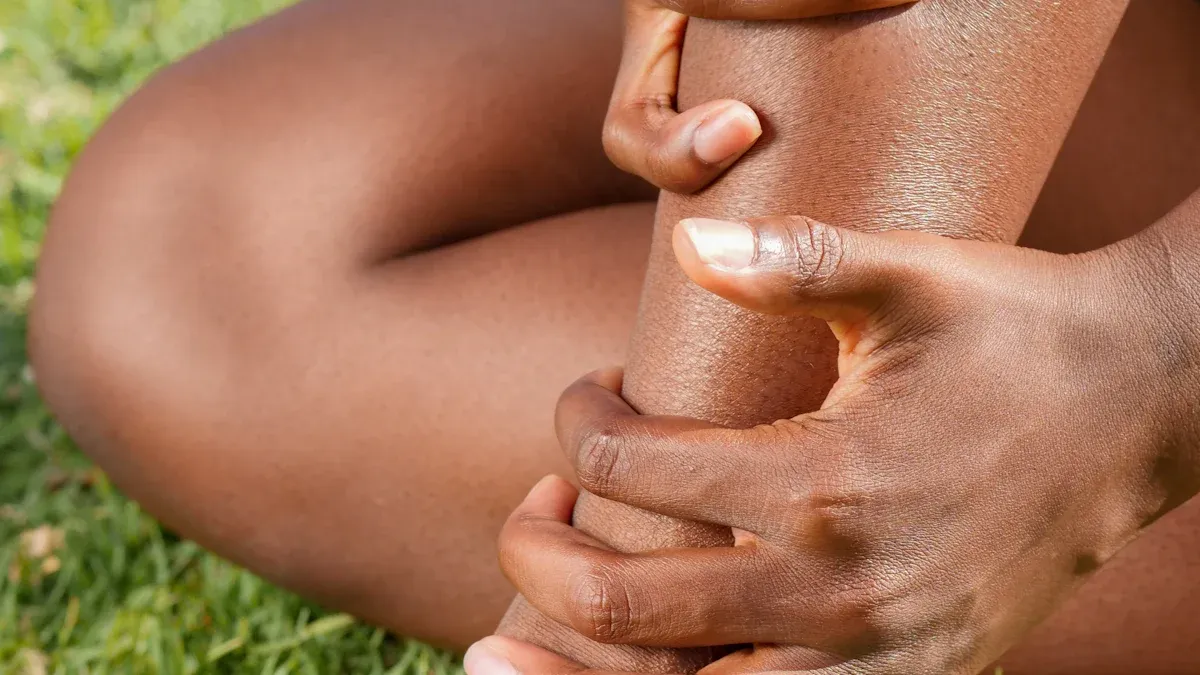
Swelling During and After Running
You know that feeling when your legs puff up after a long run? Swelling can make your shoes feel tight and your ankles look bigger. Compression stockings can help you deal with this problem. When you wear them, they gently squeeze your legs. This pressure helps your blood move better and keeps fluid from building up. You get less swelling and your legs feel lighter.
Here’s how compression stockings work to fight swelling and discomfort:
They boost circulation and blood flow in your legs.
They stop blood from pooling in your veins.
They help your body drain extra fluid through the lymphatic system.
They can lower pain and make your legs feel more comfortable.
Some runners notice that their legs feel fresher and less tired after wearing compression socks. An Australian study even found that these socks might help with recovery and improve how you feel during your next run.
Tip: If you often get swollen ankles or feet after running, try putting on compression stockings right after you finish. You may notice less swelling and faster recovery.
Who Benefits Most
Not every runner needs compression stockings, but some people get more help than others. If you run long distances or do back-to-back workouts, you might see bigger benefits. People who stand or walk a lot during the day can also use these socks for extra comfort and recovery.
Let’s look at who gets the most out of compression stockings:
Group |
Benefit from Compression Stockings |
|---|---|
Marathon runners |
Less swelling, better recovery |
Trail runners |
Reduced discomfort, faster recovery |
Older adults |
Improved circulation, less swelling |
People with varicose veins |
Less pain, better blood flow |
You might find that compression stockings help you bounce back quicker after tough runs. If you want less swelling and better recovery, these socks could be a simple solution. Many runners say they feel less discomfort and more ready for their next workout.
Note: You don’t have to be a pro athlete to enjoy the benefits. Anyone who wants less swelling and easier recovery can give compression stockings a try.
Choosing Compression Socks for Running
Selecting the Right Compression Level
You want compression stockings that help you feel good and perform your best. The right compression level makes a big difference. Most runners do well with a moderate compression level of 15-20 mmHg. This range gives you support and boosts circulation without feeling too tight. If you need more help after a tough race, you can try a firmer level of 20-30 mmHg. Medical-grade compression stockings (30-40 mmHg) are for special health needs, not for everyday running.
Here’s a quick guide:
15-20 mmHg (Moderate Compression): Great for comfort and muscle support during runs.
20-30 mmHg (Firm Compression): Best for recovery after high-intensity races.
30-40 mmHg (Medical-Grade Compression): Only for medical conditions.
You should also think about sock length. Knee-high compression stockings cover your whole lower leg and give better support than calf-length socks. Check out this table:
Feature |
Knee-High Compression Socks |
Calf-Length Compression Socks |
|---|---|---|
Blood Flow Improvement |
Yes |
Limited |
Muscle Recovery Support |
Yes |
Limited |
Coverage |
Entire lower leg |
Feet and ankles only |
Support for Calf Muscles |
Yes |
No |
Effectiveness for Runners |
Higher |
Lower |
Tips for Safe Use
Picking the right pair means looking at more than just size. Measure your calves to make sure your compression stockings fit perfectly. Socks that are too tight can cut off blood flow. Loose socks won’t help at all. Choose breathable materials like polyester to keep your feet dry. You can find styles and colors that match your taste, but darker colors hide dirt better.
Here are some tips to keep you safe and comfortable:
Don’t fold socks over. This can double the pressure and hurt your legs.
Never wear regular socks over compression stockings. They work fine on their own.
Avoid wearing compression stockings at night. They help most when you’re standing or moving.
Replace your compression stockings every year. Ask your doctor to check them every six months.
Watch out for problems like skin irritation, chafing, bruising, or discomfort. If you notice any of these, try a different size or material.
High-quality compression stockings usually cost between $40 and $200. You don’t need to buy the most expensive pair to get good results.
Tip: Try different types and see what feels best for you. The right compression stockings can make your running experience much better.
You’ve seen the truth behind compression socks for running. They won’t make you faster overnight, but they can help your legs feel better and recover quicker. Before you buy, check what matters most:
Pick socks with true graduated compression and breathable, moisture-wicking fabric.
Make sure you get the right size and length for your legs.
Look for brands that test their products and offer a good fit for everyone.
What to Expect |
What Studies Show |
|---|---|
Faster race times |
Not likely |
Yes, especially after hard runs |
|
Reduced swelling |
Yes, for many runners |
Try a few pairs, follow care tips, and see how your legs feel. Comfort and recovery matter most for your running journey!
FAQ
Do you need to wear compression socks during every run?
You don’t have to wear them every time. Many runners save them for long runs, races, or recovery days. Try them on different runs and see when your legs feel best.
Can you sleep in compression socks after running?
It’s not a good idea to sleep in them. Your legs need to move and breathe at night. Wear them during the day for recovery, then take them off before bed.
How long should you wear compression socks after a run?
Most runners wear them for 1–3 hours after running. Some keep them on longer if their legs feel tired or swollen. Listen to your body and adjust as needed.
Do compression socks help with shin splints?
Compression socks may help reduce pain and swelling from shin splints. They support your lower legs and improve blood flow. You should also rest and stretch for the best results.
How do you wash and care for compression socks?
Turn them inside out before washing.
Use cold water and mild soap.
Air dry them flat.
Tip: Avoid using bleach or fabric softener. This keeps your socks stretchy and comfortable.